Understanding EPDM Roofing
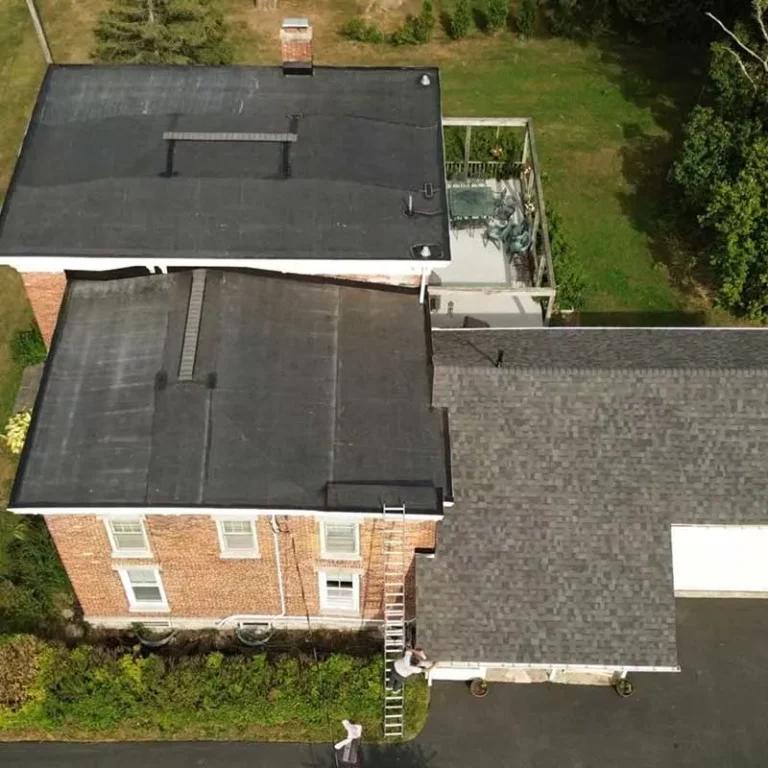
EPDM, which stands for ethylene propylene diene monomer, is a synthetic rubber membrane that has been a staple in the roofing industry for over 50 years. Its proven track record is one of the reasons property owners throughout Gloversville, NY and surrounding areas continue to choose it for flat roof applications. EPDM membranes are available in thicknesses of 45 mil and 60 mil, with the 60-mil option providing enhanced durability and puncture resistance. The material comes in large sheets that can span significant areas, minimizing the number of seams required during installation.
One of the greatest strengths of EPDM is its exceptional flexibility and weather resistance. The material performs well in extreme temperature fluctuations, maintaining its elasticity even in freezing conditions. EPDM systems can be installed using three primary methods: fully adhered, mechanically attached, or ballasted. We evaluate your roof deck, building structure, and local wind requirements to determine the best attachment method for each project. All of our work is completed by Mike and his son, and our trained crew, ensuring consistent quality from start to finish.
Understanding TPO Roofing
Thermoplastic polyolefin, commonly known as TPO, has rapidly gained market share since its introduction in the 1990s. TPO membranes are manufactured in white, gray, and tan, with the white option offering outstanding reflective properties that can significantly reduce cooling costs during summer months. TPO is available in 45-mil, 60-mil, and 80-mil thicknesses, giving property owners flexibility based on budget and performance needs.
TPO seams are heat-welded using specialized equipment that fuses the membrane sheets together at temperatures exceeding 900 degrees Fahrenheit. This creates a bond that is actually stronger than the membrane itself, which is a significant advantage over adhesive-based seaming methods. Proper heat welding requires precise temperature control, travel speed, and pressure, which is why experience matters tremendously with TPO installations. You will deal directly with our owner on every job, so there is never a question about accountability or craftsmanship.
Key Differences Between EPDM and TPO
- Seam technology differs significantly, with EPDM using adhesive or tape-based seaming while TPO relies on hot-air welded seams for superior bond strength
- Energy efficiency favors TPO due to its reflective white surface, which can lower rooftop temperatures by up to 50 degrees compared to dark-colored membranes
- Longevity and track record give EPDM an edge since it has decades of documented field performance, while TPO formulations continue to evolve and improve
- Repair simplicity tends to favor EPDM because patches can be applied quickly without specialized welding equipment
- Chemical resistance is generally stronger in TPO, making it better suited for roofs near restaurants, manufacturing facilities, or areas with grease exposure
Our Installation Process and Commitment to Quality
Every membrane roofing project begins with a thorough inspection of the existing roof deck and substrate. We assess moisture levels, structural integrity, and insulation requirements before recommending a system. We pay close attention to detail and thoroughly clean up our space so your property looks pristine when we leave.
We hold an A+ rating and are accredited by the Better Business Bureau, reflecting our commitment to customer satisfaction and professional integrity. As the trusted name in roofing serving Gloversville, Johnstown, Broadalbin, Amsterdam, Perth, Glen, & Glenville, NY, we stand behind every EPDM and TPO system we install. Upon request, we will gladly provide customer references so you can hear directly from satisfied property owners. Go with the trusted name in the community and contact us today to schedule your consultation.